
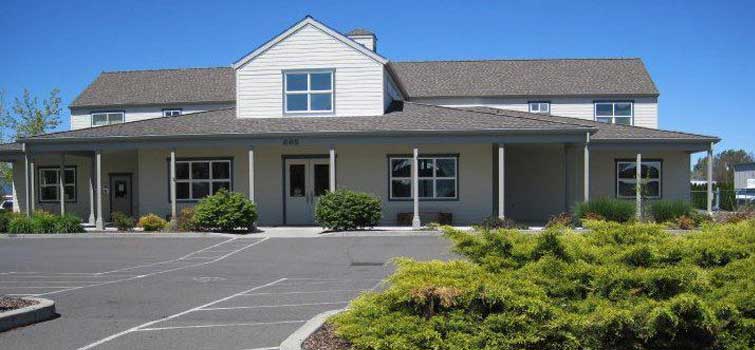


Welcome To Crater Animal Clinic
“The Technology to Treat, the Heart to Heal”
 Crater Animal clinic offers a wide range of services for both our large and small animal clientele. Each department offers a variety of services such as diagnostic, treatment, surgery and recovery areas utilizing the latest in technological advances for the best care of our patients. Both large and small animal departments are equipped with a complete pharmacy, an in-house laboratory, and diagnostic services including radiology, ultrasounography and endoscopy. Crater Animal Clinic is committed to excellence in every way. Our Doctors and staff attend continuing education courses to stay informed of the latest advances in veterinary medicine and we’re proud to say that we have some of the best veterinarians in the Rogue Valley, Oregon !
We are happy to offer a number of resources that enable you to learn about how to take better care of your pets. Please feel free to browse our site. The best veterinary care for animals is ongoing nutrition and preventative care, so becoming knowledgeable about your pets care is essential to the ongoing success of your animal’s health. We offer after hours emergency services for our current clients. If you have any questions, call 541-779-0951 or email us and we’ll promptly get back to you. Our Central Point veterinarian office is very easy to get to — and you can find directions on our Contact Us page!
